

Unwrapping Science: SEAMS at “Science is Wonderful! 2026”
 Each year, Brussels becomes a vibrant hub where cutting-edge research meets youthful curiosity through Science is Wonderful!, the annual science fair organized by the European Commission. Since its launch in 2015, this unique initiative has grown into a flagship outreach event, celebrating EU-funded research while creating meaningful connections between scientists and the next generation.
At its core, Science is Wonderful! is designed to bridge the gap between advanced research and school education. The event is part of the Marie Skłodowska-Curie Actions (MSCA), the European Union’s flagship programme for doctoral education and postdoctoral training, which supports researchers across disciplines in pursuing innovative, high-impact projects worldwide. Alongside MSCA, projects funded by the European Research Council (ERC) are also invited to participate.
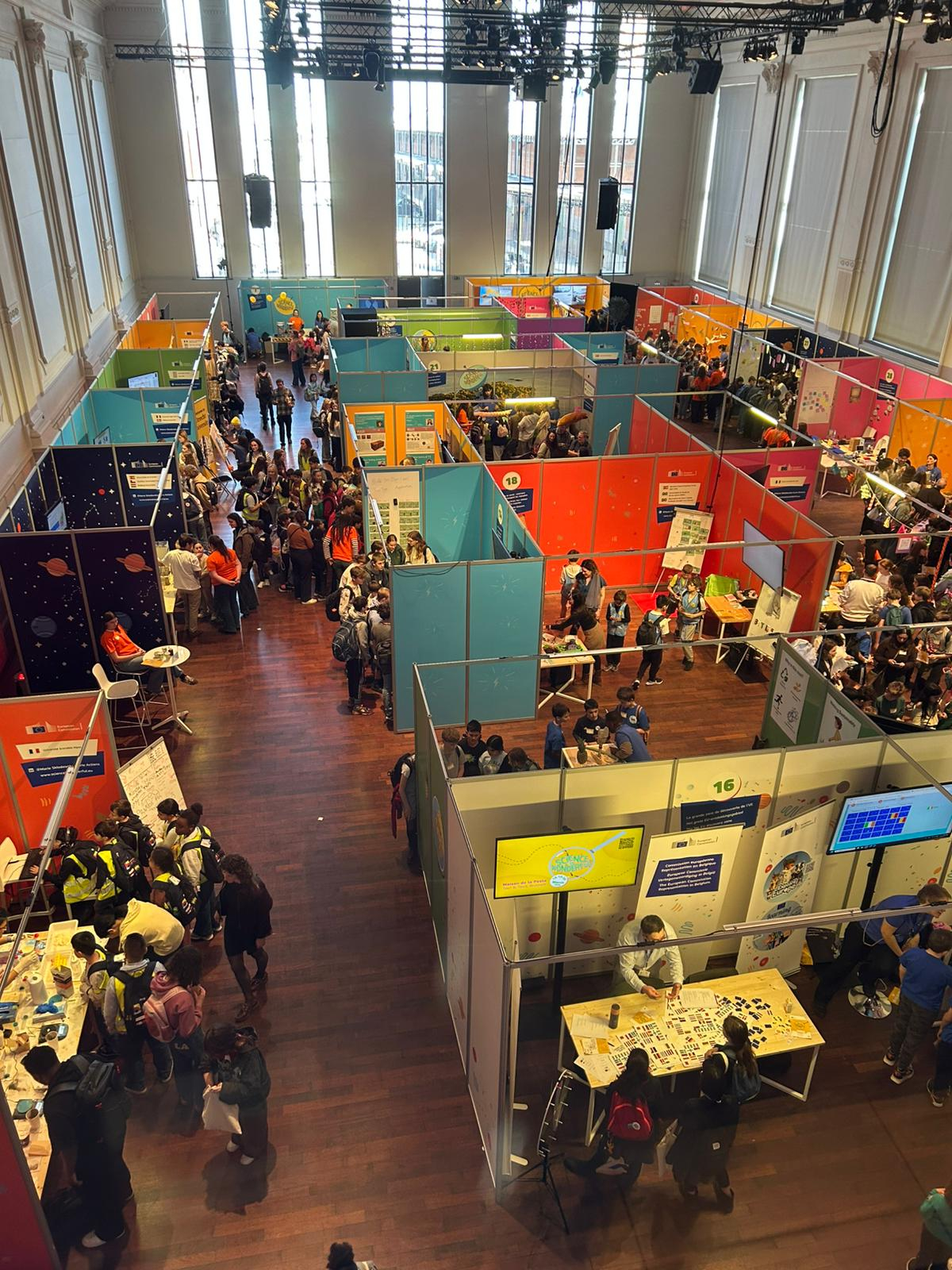
Selection for the fair is highly competitive. In 2026, more than 200 proposals were submitted by MSCA and ERC fellows and alumni, yet only 41 projects were chosen. These selected teams of around 150 researchers representing over 30 nationalities gathered in Brussels to share their work with more than 5000 pupils from Belgium and beyond (for more information about the event and its booths, visit the official page here [https://marie-sklodowska-curie-actions.ec.europa.eu/de/science-is-wonderful]).
The audience itself reflects the diversity of Europe: multilingual, multicultural, and spanning both primary and secondary education. For many students, this event represents a first direct encounter with active researchers, offering not only exposure to scientific content but also insight into potential academic and professional pathways.
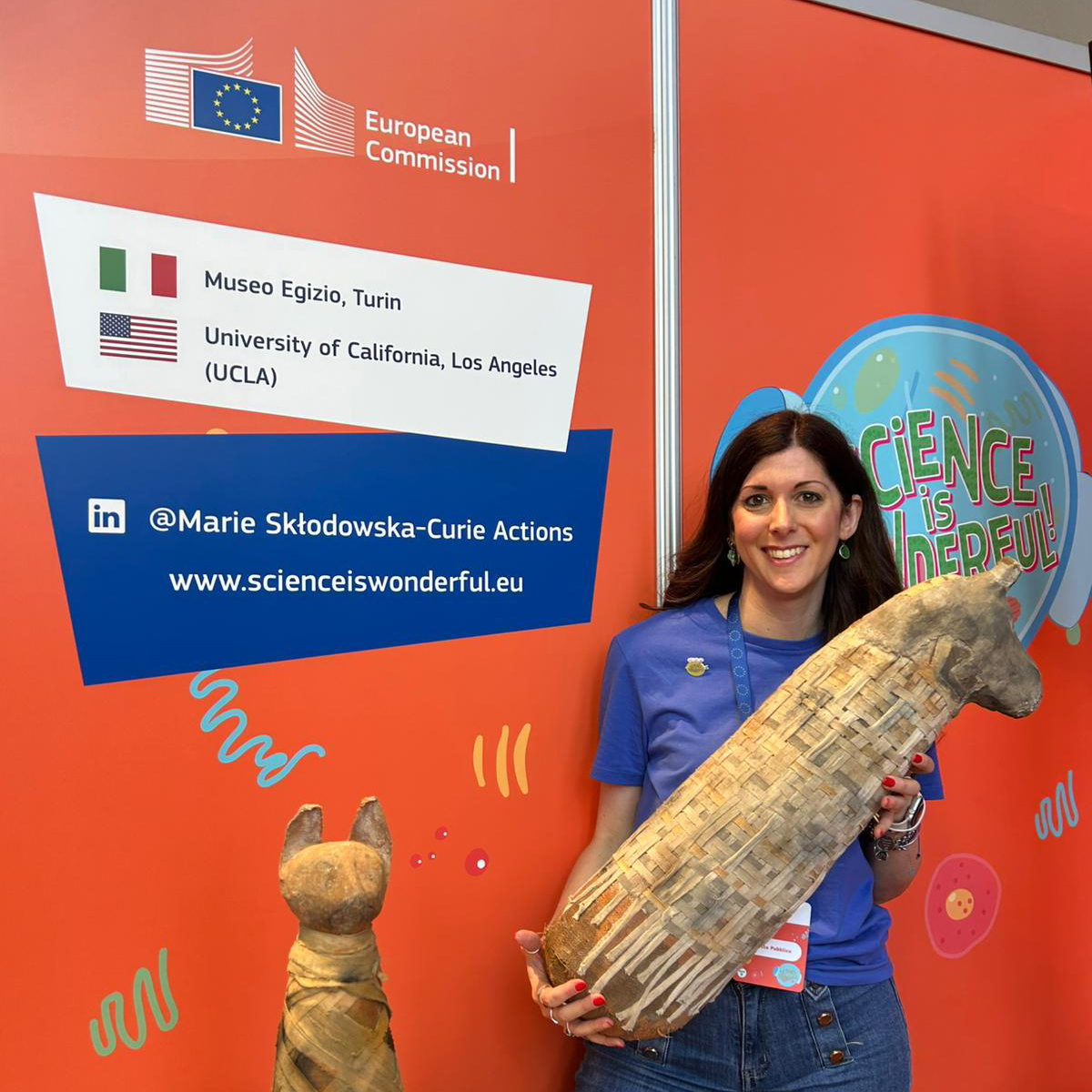
 It is within this inspiring context that the SEAMS project (a Study of Egyptian Animal Mummy Styles) was selected to participate. Hosted at the UCLA Cotsen Institute of Archaeology during its outgoing phase and currently based at the Museo Egizio in Turin, SEAMS investigates the technical, stylistic, and cultural dimensions of votive animal mummy wrappings in ancient Egypt. By combining archaeological research, textile analysis, and digital methodologies, the project aims to reconstruct the chaîne opératoire of wrapping practices and to better understand their ritual and economic significance (to learn more about the project, read our previous article [https://ioa.ucla.edu/node/1709] and visit its website [https://dal.ucla.edu/seams/]).
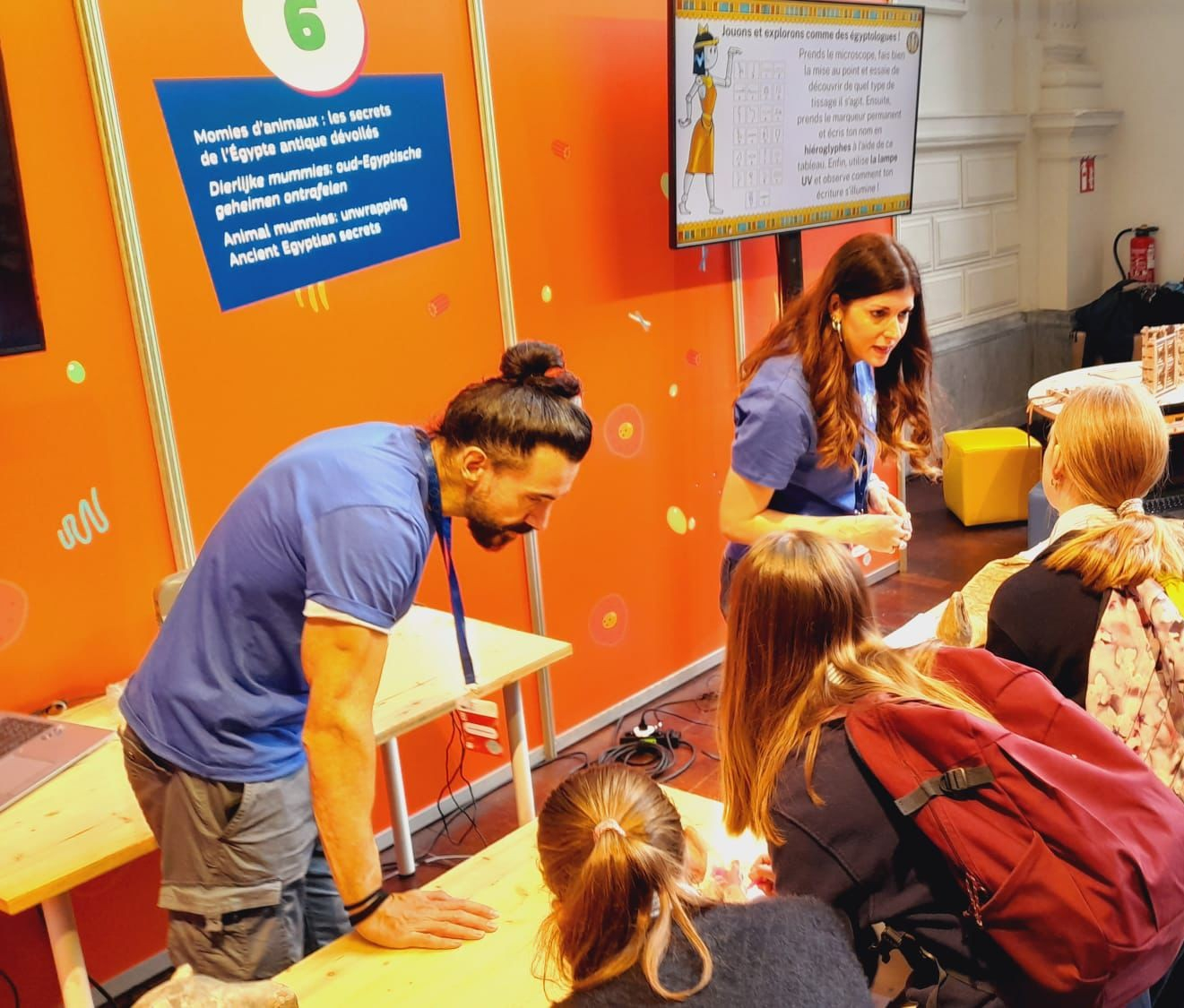
At Science is Wonderful! 2026, SEAMS was presented through the interactive booth “Animal Mummies: Unwrapping Ancient Egyptian Secrets”. Over three days, thousands of pupils engaged directly with the project through a series of hands-on activities designed to make complex research accessible, tangible, and fun.
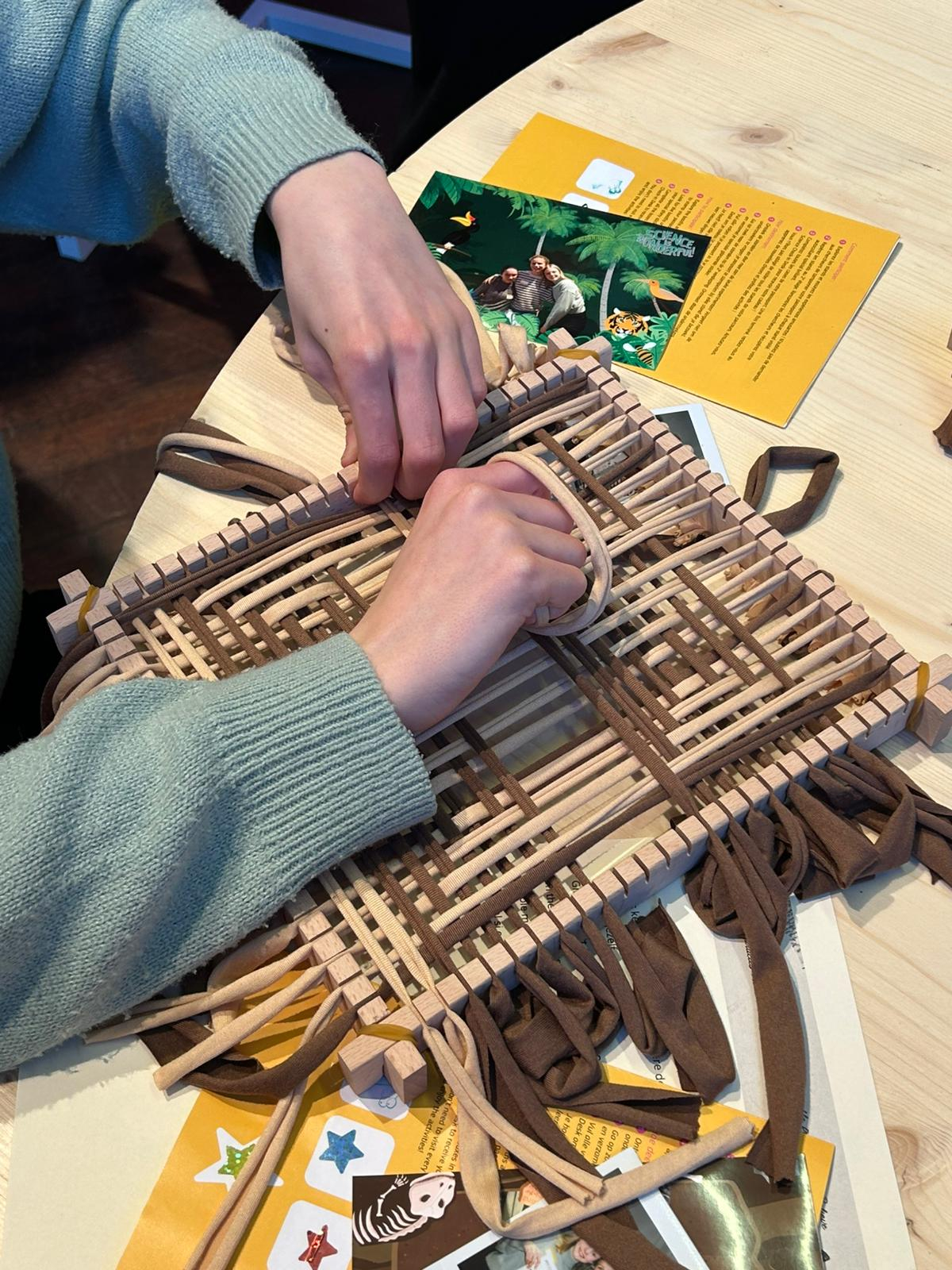
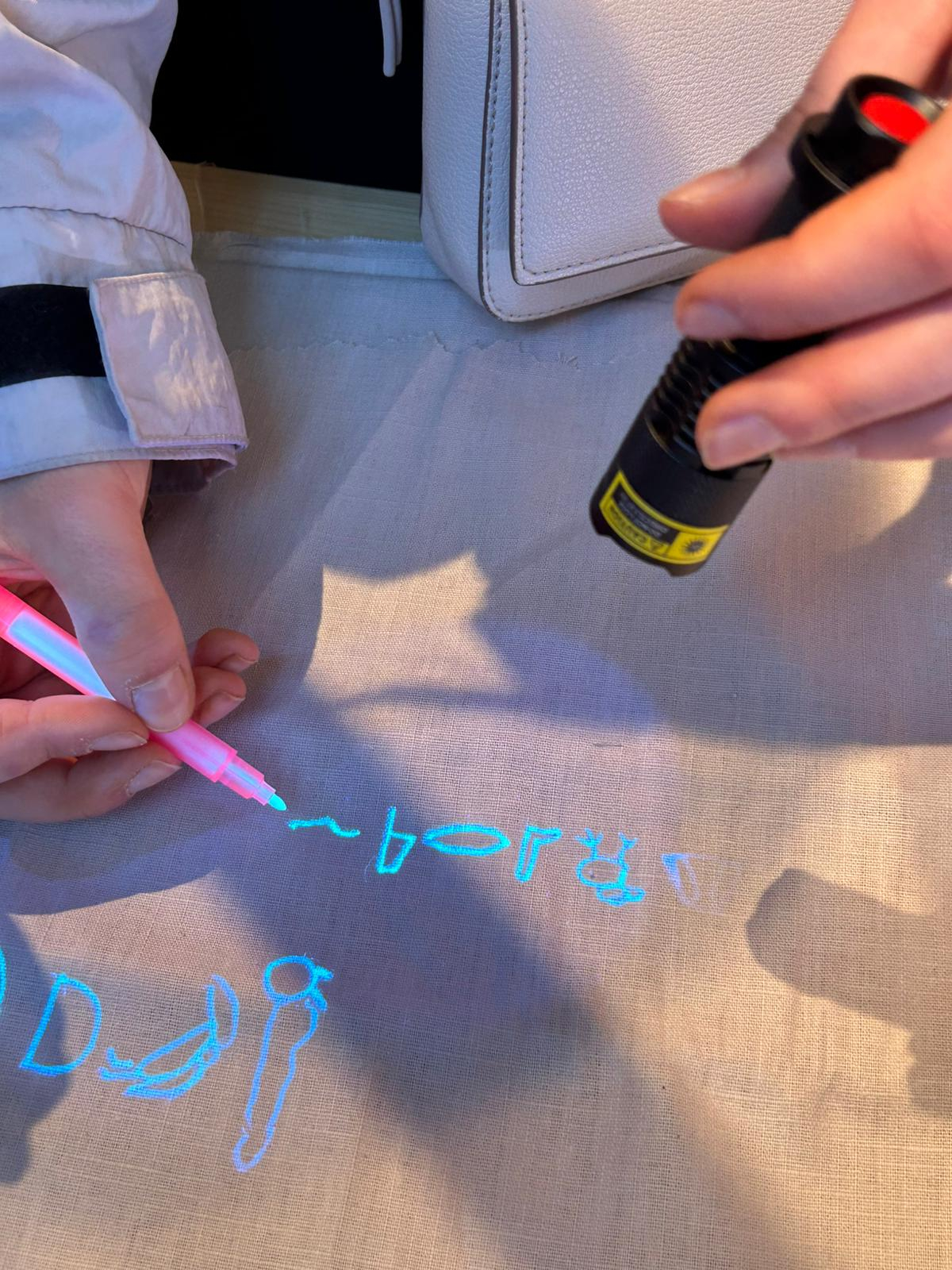
The young visitors were invited to explore ancient Egyptian practices by creating their own mummy wrappings, experimenting with textile patterns inspired by archaeological examples, and learning how ancient artisans constructed visually striking designs using simple materials. They could write their names in hieroglyphs using invisible ink and reveal them under UV light, discover natural dyes and fibres used in ancient linen production, and create 1:1 scale 3D models of replicas of real animal mummies preserved at the Musée des Confluences in Lyon.
 A particularly successful component of the booth was the digital escape room “The Sacred Weaves”, developed with support from the Digital Archaeology Lab at the Cotsen Institute. In this immersive experience, participants stepped into the role of apprentice mummy-wrappers, applying newly acquired knowledge to solve challenges and complete a virtual mummy bundle. By combining storytelling, problem-solving, and scientific content, the activity exemplified how digital tools can enhance archaeological communication and public engagement.
The response from students was overwhelmingly positive. Their enthusiasm, curiosity, and creativity highlighted the importance of initiatives like Science is Wonderful!, which go beyond traditional dissemination to foster genuine dialogue between researchers and society. Rather than simply presenting results, the event encourages co-exploration, transforming science into a shared, participatory experience.
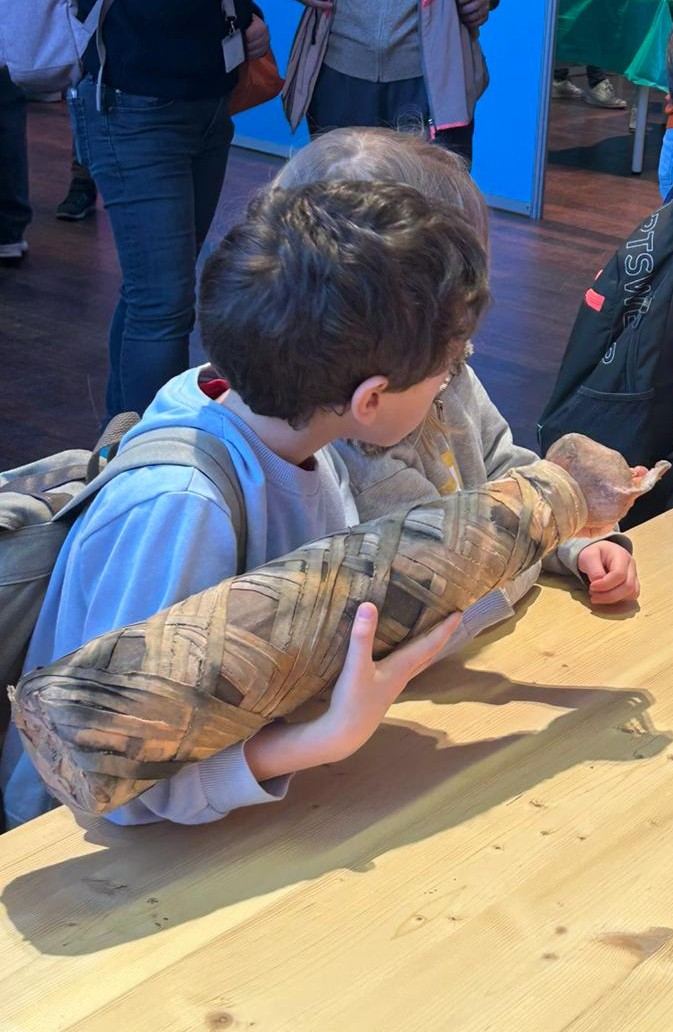 By bringing the study of ancient Egyptian animal mummies into direct contact with young audiences, SEAMS demonstrates how even highly specialized research can inspire wonder, creativity, and future scientific vocations. Building on this approach, the project has decided to extend some of the activities developed for the fair into a set of digital outreach resources designed to continue this engagement beyond the event.
On the SEAMS website, visitors can explore both the digital escape room and a series of hands-on demo videos guiding users in the creation of their own concentric square patterns inspired by ancient techniques. Together, these resources provide an accessible and engaging entry point into the project’s research while encouraging users to explore further (to explore these activities, click here [https://dal.ucla.edu/seams/outreach]).
For SEAMS, participation in Science is Wonderful! represented a significant milestone. It not only recognizes the project’s scientific value within the highly competitive MSCA and ERC landscape, but also reinforces its commitment to open, inclusive, and impactful research communication. As the fair continues to grow, its mission remains clear: to show that science is not confined to laboratories or academic publications, but is a dynamic, human endeavor, one that invites curiosity, rewards exploration, and belongs to everyone.
Maria Diletta Pubblico
Visiting Associate Researcher
Published on May 1, 2026.