


Past Events
Interested in Cotsen events? Sign up for our mailing list.Speaker: Willeke Wendrich, Director of the Cotsen Institute of Archaeology
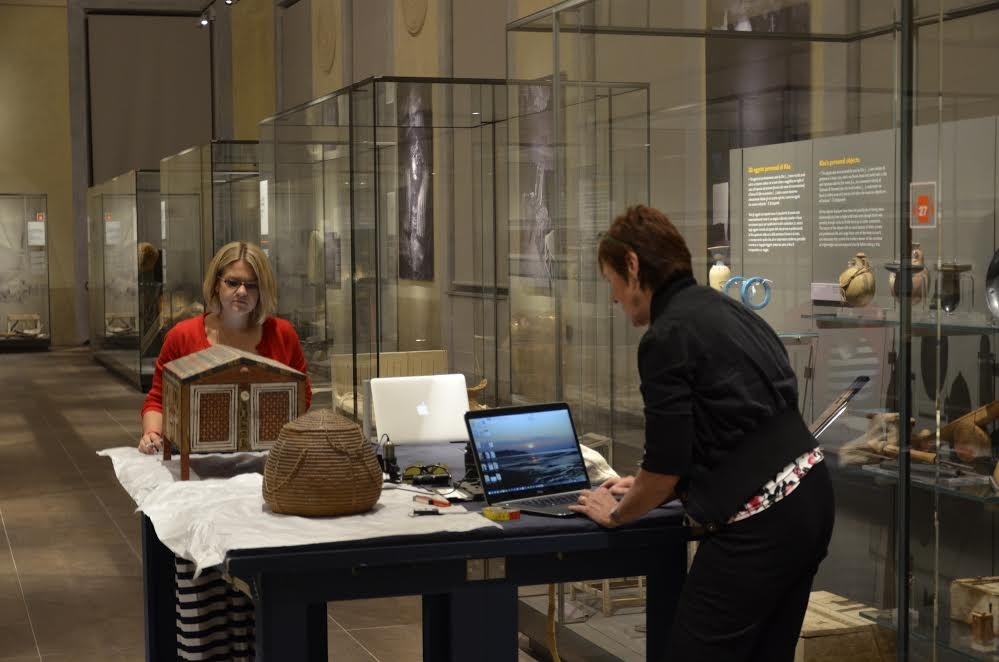
UCLA has started a close collaboration with the Museo Egizio in Turin, which holds the most important collection of material culture from ancient Egypt after the museum in Cairo. This pizza talk will highlight the research that has been started in the summer of 2016.
Contact Matthew Swanson
Email mswanson@ioa.ucla.edu
Phone
Speaker: Dr. Caroline Cartwright, Department of Scientific Research, The British Museum
Dr Caroline Cartwright is the Senior Scientist and Wood Anatomist in the Department of Scientific Research at the British Museum. Her primary areas of scientific expertise cover the identification and interpretation of organics such as wood, charcoal, fibres, macro plant remains, shell, ivory and bone from all areas and time periods in the British Museum’s collections, including for CITES (Convention on International Trade in Endangered Species). She has led many teams of archaeobotanists, archaeozoologists and human osteologists on archaeological projects in various parts of the world including the Middle East, Africa, the Caribbean and Europe. Reconstructing past environments, charting vegetation and climate changes, and investigating bioarchaeological evidence from sites and data, all form an important part of her research. Prior to joining the British Museum, Caroline was a Lecturer and Research Fellow at the Institute of Archaeology, University College London.
Contact Matthew Swanson
Email mswanson@ioa.ucla.edu
Phone
Speakers: Richard Ehrich, PhD Candidate, Cotsen Institute of Archaeology
Dr. Hans Barnard, Cotsen Institute of Archaeology
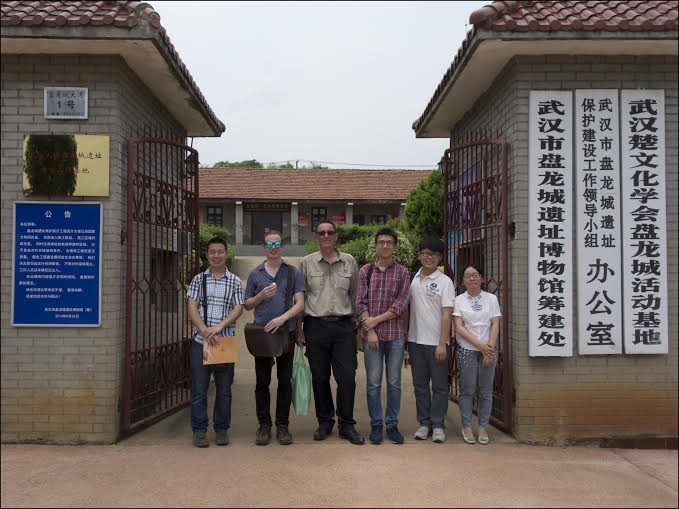
In June 2016, Cotsen affiliates Hans Barnard and Richard Ehrich briefly visited a number of archaeological sites and museums in Wuhan, Jingzhou, Xiangyang and Suizhou in the Hubei Province in Central China. Richard is a graduate student who lived in Wuhan to conduct research for his dissertation. He will provide some background information on the sites and collections that they were able to see. He will also give a bit of insight into how it was like doing research in this region. Hans is an archaeologist who has worked in different regions of the world, but this was his first trip to China. He will discuss his first impressions of archaeological practices in China as an informed outsider.
Contact Matthew Swanson
Email mswanson@ioa.ucla.edu
Phone
Speaker: Dr. Stephen Acabado, Cotsen Institute of Archaeology
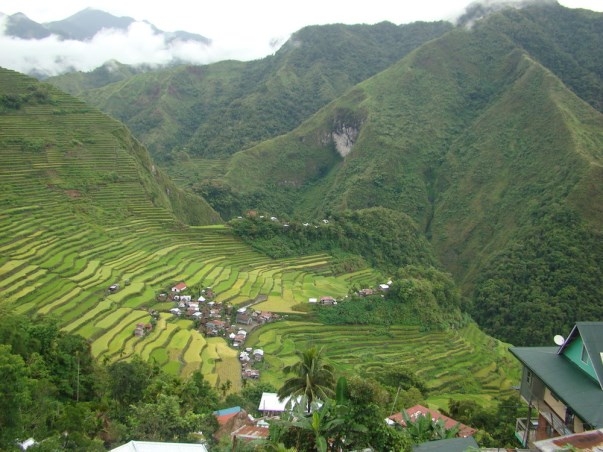
Recent trends in the practice of archaeology have seen the emergence of the active involvement of descendant communities in the research process. This is an important development since the relationship of archaeologists and communities that they work with has been tenuous, particularly, when archaeological findings have the potential to contest ethnic identities. As a case in point, the findings of the Ifugao Archaeological Project (IAP) (Ifugao, Philippines) force the rethinking of history and question the bases of Ifugao identity, particularly on how they have been presented in Philippine historical narratives. Ifugao identity is based on wet-rice production and the historical narrative that the Spanish never conquered them. Previously, the dating of the inception of the Ifugao rice terraces was placed at 2,000-3,000 years ago. The findings of the IAP however, suggest a later inception of the terraces, which coincided with the arrival of the Spanish in the northern Philippines. Initially, this finding did not sit well the larger Ifugao descendant communities, but as experience exemplifies, the pursuit to actively involve the communities and stakeholders in the research process resolved this issue. We further argue that the inclusion of the voices of different stakeholders in the interpretation of the past is inadequate since it denotes that indigenous stakeholders are simply contributors to, and not codevelopers or co-investigators of, research projects. Doing so empowers indigenous stakeholders to take control of their heritage.
Contact Matthew Swanson
Email mswanson@ioa.ucla.edu
Phone
Speaker: Ben Nigra, PhD Candidate, UCLA
'Paracas’ refers to a polychromatic fine-ware tradition, a canon of architectural elements, a set of specific mortuary practices, and a rich textile tradition associated with Peru's southern coast during the first millennium BCE. Despite decades of research dedicated to Paracas 'art', craft goods and iconography, south coast archaeologists struggle to understand the basic sociopolitical character of Paracas and the social and material conditions that drove its development through time. Excavations at Huaca Soto (2014-2015) re-calibrate this narrative by examining the evolution of monumental ceremonial architecture in the Chincha Valley. Our investigation further suggests that Paracas platform mounds became widely recognized as huacas, or sacred spaces, that garnered attention from later Wari, Chincha and Inca groups. Huaca Soto thus provides a case study on the appearance and evolution of coastal monuments in the long-term - spanning the first millennium BCE to today.
Contact Matthew Swanson
Email mswanson@ioa.ucla.edu
Phone
Speaker: Rachel Moy, PhD Candidate, UCLA
This talk will summarize the preliminary results of the first season of excavation and research of the UCLA Shire Project at the site of Mai Adrasha in the northwestern Ethiopian highlands. I will discuss how Mai Adrasha fits into what we know of a larger pre-Aksumite to Early Aksumite cultural and political context. Due to how few excavated sites date to these periods, research needs to start with basic descriptions before we can make any firm broader conclusions. My dissertation will focus on the ceramic data from Mai Adrasha. I plan to start with the raw data to create four typologies each with a different method. I will then compare the four typologies taking into account the strengths and weakness of each. From these results, I will develop a more robust method to describe the ceramic data, and from this base, we can begin to describe more broadly the site of Mai Adrasha, its surroundings, and its broader cultural and political context.
Contact Matthew Swanson
Email mswanson@ioa.ucla.edu
Phone
Speaker: Dr. Marriana Nikolaidou, UCLA
Marianna Nikolaidou holds a Ph.D. in archaeology from the University of Thessaloniki in Greece, and is a research associate at the Cotsen Institute since 1994. Her research and fieldwork focus on the Neolithic and Bronze Ages of the Aegean and the Eastern Mediterranean. She has published extensively on gender issues, symbolism and ritual, ceramic iconography and technology, adornment, and the history of archaeology. Projects with the Cotsen include: the publication of ornaments and ceramics from Sitagroi, study of ceramic technology at Tell Mozan in Syria, and currently the analysis and study of prehistoric pottery at the excavations at Ancient Methone.
The pottery from Methone is the topic of her talk. Dating to the Neolithic and Early Bronze Age, the material illuminates three millennia of prehistoric occupation at this key site on the Northern Aegean coast, and provides insights to the prehistory of the region."
Contact Matthew Swanson
Email mswanson@ioa.ucla.edu
Phone
Speaker: Merrick Posnansky, UCLA Professor Emeritus
Black Lives Matter has been a contentious political and Social concern in recent years but most of the heat has concerned the present situation of Police violence on Black youth in the USA. My own concern is with the general decrease of interest in the lives of poorly documented Blacks before the 1960's. Archaeology has been the key for understanding much of the nature of the transplantation and acculturation of Africans in the New World. This presentation seeks to review the history of and growth of African American archaeology from the 1940's when it was realized that much of African culture and behavior survived the Atlantic Slave Trade. UCLA doctoral research has been in the forefront of American research and has covered plantation societies in the Caribbean and Louisiana, the nature of free maroon societies in remote parts of the Caribbean and South America, the nature of free African life in both the Caribbean and the United States and the excavation of landmark sites such as the Harriet Tubman house. Though reference will be made to current research, including biogenetic studies and the extension of Diasporan archaeology to both maroon (runaway slaves) societies in the New World and to the West African points of departure, the talk seeks to emphasize that more work urgently needs to be done in Africa American Archaeology. It is vital that African American archaeology, as well as the archaeology of other American minorities, be integrated into University courses both in Anthropology and History courses dealing with the early histories of peoples in North America.
Contact Matthew Swanson
Email mswanson@ioa.ucla.edu
Phone
Speaker: Scott Fitzpatrick, University of Oregon

For many island societies worldwide, the acquisition and exchange of prized resources was fundamental to developing and maintaining social, political, and economic relationships. The patchiness of resources like stone, clay, tempering agents, shell, and animals often led to differential access which then helped to fuel the rise of social complexity. This presentation considers questions of resource acquisition as mediated by oceanographic and wind conditions, comparing results from archaeological projects in the Pacific and the Caribbean
.
Contact Matthew Swanson
Email mswanson@ioa.ucla.edu
Phone
Speaker: Jacob Bongers, PhD Candidate, UCLA
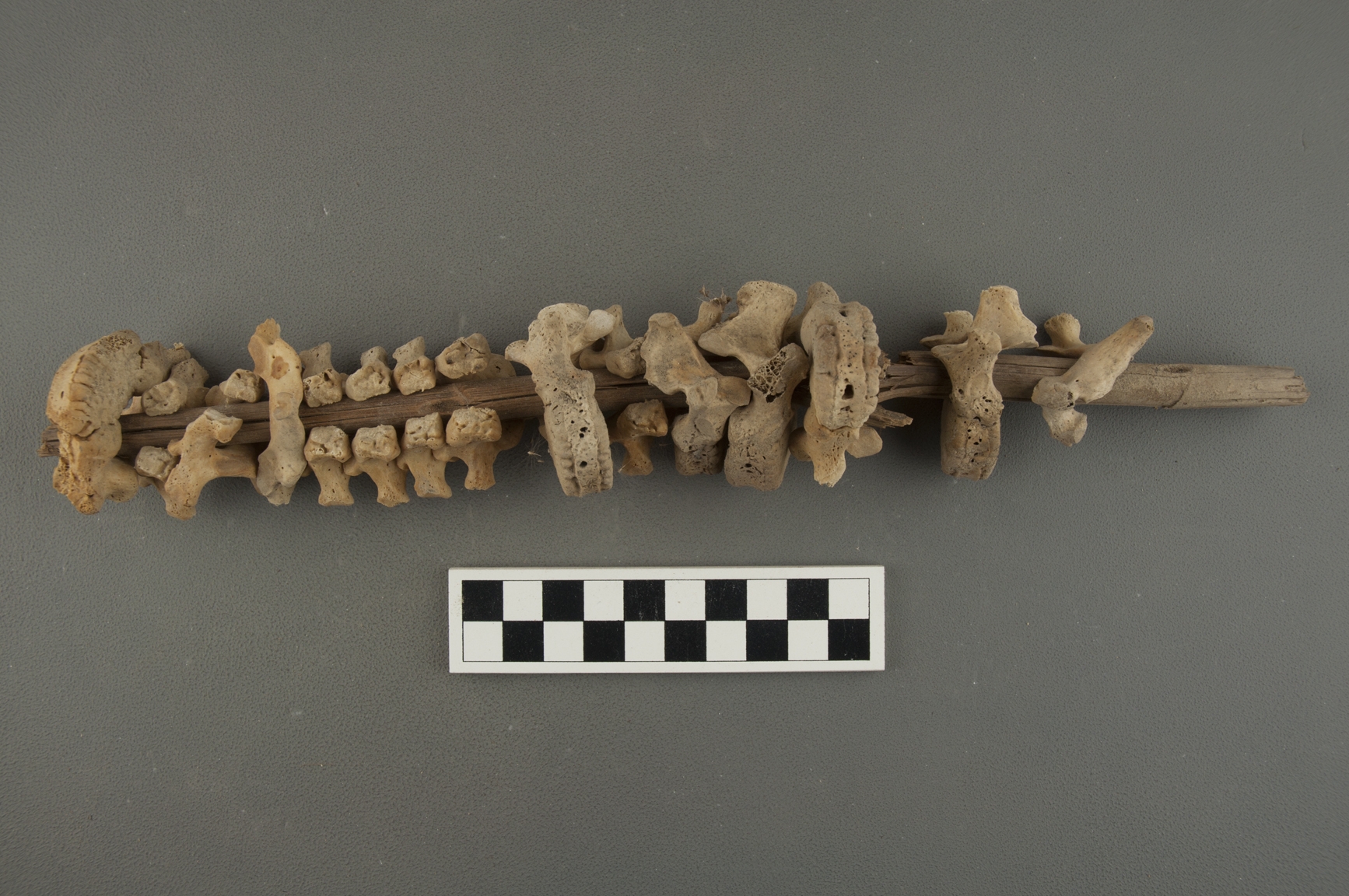
This talk addresses local mortuary practices in the mid-Chincha Valley, Peru dating from the Late Intermediate Period, or LIP (AD 1000 – 1476) to the Late Horizon (AD 1476 – 1532). Ethnohistorical documents state that a complex, centralized state known as the Chincha Kingdom dominated the Chincha Valley from the LIP until the Late Horizon, when the Inca conquered and consolidated the Chincha. Here, we summarize mortuary data from three years of fieldwork (2013-2015) in the mid-Chincha Valley. We demonstrate a mortuary landscape of over 600 well-preserved tombs. We recognize two broad tomb types: above-ground and semi-subterranean chullpas and subterranean cists. We will highlight differences in mortuary architecture and treatment of the dead between these tombs. Notable finds include peculiar evidence of postmortem body manipulation, including human remains with red pigment, cut marks, and reed posts with human vertebrae. Existing radiocarbon dates indicate that at least one cist is pre-Inca and one chullpa is Inca in date, suggesting possible diachronic changes in mortuary practice that coincide with Inca conquest. We will marshal these data in an effort to characterize and explain the nature and variability of local, late prehistoric mortuary practices in the mid-Chincha Valley.
Contact Matthew Swanson
Email mswanson@ioa.ucla.edu
Phone
- ‹ previous
- 21 of 23
- next ›